

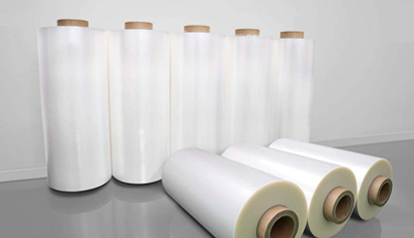
Water soluble films have become a critical material for businesses across a wide range of industries, including packaging, pharmaceuticals, detergents, and agriculture. These films, made primarily from polyvinyl alcohol (PVA), are designed to dissolve completely in water, offering both convenience and environmental benefits. With increasing demand for sustainable and efficient solutions, selecting the right water soluble film is essential to ensure product performance, operational efficiency, and compliance with industry standards. Choosing an appropriate film can impact production processes, reduce waste, and enhance overall business sustainability.
Partnering with experienced suppliers offering high-quality Water Soluble Film is an essential step for businesses looking to integrate these materials effectively. Reputable manufacturers provide films that meet rigorous quality standards, are customizable for different applications, and come with technical support to guide businesses through selection and implementation. With proper guidance, businesses can identify the best film characteristics to match specific operational needs, whether it is for single-dose detergent pods, pharmaceutical capsules, agricultural chemicals, or other specialized applications.
Key Factors to Consider
Selecting the right water soluble film involves evaluating several critical factors:
- Solubility Rate: The rate at which the film dissolves in water is one of the most important considerations. Industries like detergents require rapid dissolution, whereas agricultural chemicals may need films that dissolve more slowly for controlled release. Matching solubility rates to application requirements ensures optimal performance and customer satisfaction.
- Mechanical Strength: Films need to withstand handling, transportation, and automated packaging processes without tearing prematurely. Tensile strength and flexibility are essential properties that ensure durability while maintaining solubility. Films that are too fragile may break during production, while overly rigid films may not dissolve as intended.
- Thickness and Size: Water soluble films come in varying thicknesses and sheet sizes. Thicker films offer more strength and protection but may take longer to dissolve. Conversely, thinner films dissolve quickly but require careful handling to prevent damage. The right balance depends on product requirements and production processes.
- Chemical Compatibility: The film must be compatible with the substances it will contain. For example, detergent powders, fertilizers, or pharmaceutical compounds must not react adversely with the film. Selecting a film that is chemically inert ensures the integrity and safety of the packaged product.
Customization Options
Many manufacturers offer customization to ensure that water soluble films meet specific operational needs. Customizable options include multilayer structures, surface treatments, solubility adjustments, and variations in tensile strength or transparency. Businesses can work with suppliers to develop films tailored to high-speed production lines, specialized equipment, or particular product formulations. Custom solutions improve efficiency, reduce material waste, and enhance the quality and reliability of the end product.
Industry-Specific Considerations
Different industries have unique requirements for water soluble films:
- Packaging and Detergents: Single-dose detergent pods require films that dissolve quickly and remain strong during handling. Clear, smooth films are preferred to ensure easy inspection and accurate filling.
- Pharmaceuticals and Healthcare: Films used for capsules or medical packaging must meet regulatory standards, including FDA or ISO compliance, and be non-toxic and hygienic. Controlled solubility and precise dosing are crucial in this sector.
- Agriculture: Films for fertilizers, pesticides, or seeds often require controlled dissolution. This ensures effective delivery of chemicals and reduces environmental contamination.
- Food and Nutraceuticals: Packaging powders or supplements in water soluble films ensures convenience, hygiene, and precise portioning. Transparency and rapid dissolution are essential for consumer satisfaction.
Quality Assurance and Compliance
High-quality water soluble films should be manufactured under strict quality control procedures. Certifications such as ISO 9001 for quality management, REACH compliance, and FDA approval provide confidence in the reliability and safety of the film. Businesses should verify that their chosen supplier conducts rigorous testing, provides documentation, and adheres to international standards. Ensuring compliance protects both the end user and the business, while minimizing legal and operational risks.
Supplier Expertise and Support
Choosing the right supplier is just as important as selecting the film itself. Experienced manufacturers provide technical support, including guidance on film selection, testing, and integration into production lines. They can assist with troubleshooting, advise on storage and handling, and offer solutions for custom requirements. A supplier with industry experience ensures that businesses receive both high-quality products and expert advice, which is critical for optimizing operations.
Conclusion
Selecting the right Water Soluble Film involves careful consideration of solubility, mechanical strength, thickness, chemical compatibility, and industry-specific needs. Partnering with experienced manufacturers allows businesses to access high-quality, customizable films and technical support that ensures operational efficiency and product reliability. By choosing the appropriate water soluble film for their specific applications, companies can enhance production processes, maintain product quality, reduce environmental impact, and achieve long-term sustainability goals.


